

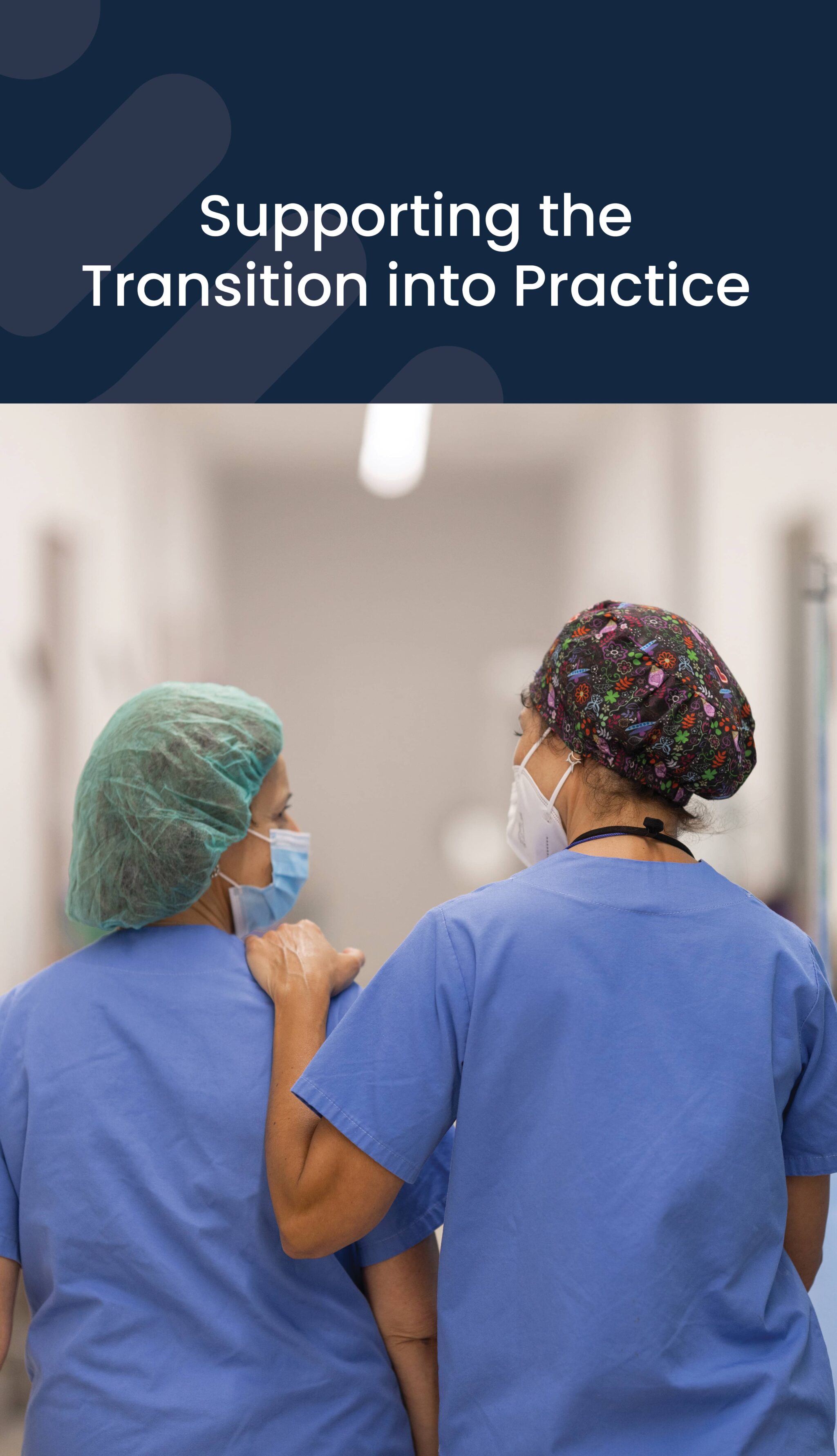

How Texas Children’s Builds the Next Generation of Pediatric Nurses
The first year of a nursing career is often one of the hardest. Research shows that between 12% and 25% of newly licensed nurses leave their roles within the first year, sometimes citing stress, limited support or difficulty adjusting to the realities of clinical practice. In pediatrics, where patients present with specialized needs and families require steady guidance, the adjustment can feel even more significant.
Texas Children’s Hospital recognizes the weight of that transition into practice. Our approach to supporting new graduate nurses begins the moment they join the organization and extends into their second year, combining a redesigned 12-month Nurse Residency Program with structured mentorship.
Supporting the Transition into Practice
Texas Children’s welcomes new graduate nurses through three residency cohorts each year in February, July and October. The residency is structured around monthly sessions that focus on communication, resilience, clinical reasoning and the realities of independent practice.
Many new nurses enter pediatrics and women’s services with strong foundational knowledge but limited exposure to the specialties. As Toronda “Tori” Baker, program director for the Nurse Residency Program, explains:
“Nursing school doesn’t completely prepare you for everything you need to know about the specialties of pediatrics and women’s health, so you really need a steppingstone. Our nurse residency program is designed to support new graduate nurses as they make their transition from academia to professional practice.”
Residents complete the program together as a cohort, which Tori describes as central to the experience. “The cohort supports each other as they go through the same challenges of their first months at the bedside.”
Based on national standards and new requirements from the ANCC Practice Transition Accreditation Program (PTAP), Texas Children’s extended the residency to 12 months at the start of 2025. The full-year model gives residents more time to grow as clinicians and adjust to their roles while maintaining a steady relationship with the education team.

Addressing a Critical Point in the First Year Through Mentorship
During the redesign process, the residency and education teams identified a consistent pattern: research and internal feedback pointed to a notable dip in confidence around month nine. Many new nurses begin questioning whether they are progressing as they should.
“We aligned mentorship with the residency program because we saw how much nurses grow when support continues past that first year,” says Beth Pali, nursing professional development specialist. “The mentorship experience gives them steady guidance from someone who understands the challenges new nurses face as they take on more responsibility and start shaping the kind of nurse they want to become.”
Beth meets with our nurse residents during month six to introduce the Nurse Mentorship Program. Those who elect to participate are paired with experienced mentors in month nine as they complete the final three months of their residency.
“Many of our mentors recently completed their own residency experience,” says Beth. “The mentorship phase gives nurses time and space to talk through real challenges with someone who has walked the path before them.”
For the first three months after graduating from our residency program, new nurses continue receiving guidance from their mentors tailored to their needs and goals. This overlap creates a smooth transition from the structure of residency into focused one-on-one support.
“Our aim is to have 100 percent of our nurse residents participating in the mentorship program by the end of 2027,” says Beth.
A Nurse Resident Mentor’s Perspective
Jayla Houston, a pediatric ICU nurse at Texas Children’s, is now four years into her nursing career but she remembers clearly what it felt like to be a new nurse — a time when comparison can quietly undermine confidence.
“A lot of stress comes from wanting to be as good as your colleagues,” she says. “You see people who seem to know everything, and you start wondering if you’ll ever get there. Sometimes you’re scared to ask questions because you don’t want to look like you don’t know what you’re doing.”
Having a dedicated mentor creates space for honest conversations outside the pressure of a busy shift, often with someone who remembers navigating the same uncertainties. That perspective is one reason Jayla also dedicates time to mentoring nurse residents.
“It’s nice to have a senior nurse say, ‘It takes time. You’re going to make mistakes, and that’s part of the learning journey,” Jayla explains.
Serving as a mentor has also shaped Jayla’s own growth as a leader. Listening closely to residents has influenced how she communicates as a charge nurse and how she supports nurses earlier in their careers.
She believes that intentional mentorship sends a clear message about the culture at Texas Children’s.
“If someone is willing to take time each month to meet with you and check in, that builds trust,” Jayla said. “It shows that this is a place where people support each other, not just on the unit, but across the organization.”

A Foundation Known to Improve Retention and Nurse Satisfaction
Magnet hospitals are recognized for having stronger nurse retention, higher job satisfaction and environments where nurses report feeling supported by leadership. Programs like residency and mentorship are key contributors to those outcomes.
Texas Children’s sees these benefits emerging through early feedback. Residents describe feeling steadier and more capable as they progress through the year. Across the nursing system, teams report that residents who complete the program are prepared, committed and eager to grow.
This long-term support also influences the future leadership pipeline. Nurses who enter the profession with strong mentoring relationships often become mentors themselves, creating a cycle of shared knowledge and support.
What This Means for Nurses Considering Texas Children’s
For nurses evaluating where to begin their career, the transition into practice matters as much as the work itself. Texas Children’s offers:
- A full-year Nurse Residency Program grounded in national standards
- A six-month mentorship program beginning in month nine
- Dedicated support from preceptors, educators and an experienced mentor
- A cohort model that encourages belonging
- A culture aligned with Magnet principles
This structure gives new nurses time to build skill, confidence and community while also providing a clear path into long-term professional development.
Start Your Nursing Career at Texas Children’s
If you are preparing to graduate or exploring your next step as an early-career nurse, we invite you to learn more about our Nurse Residency Program and upcoming cohort timelines.